1. The Early Days of App Design
When mobile applications first emerged, functionality was the primary focus. Early apps had minimal design considerations, often prioritizing features over user experience. Navigation was not always intuitive, and many applications lacked visual appeal or user-friendly interfaces.
- Basic UI elements with little customization
- Complex navigation structures
- Limited user feedback mechanisms
- Poor accessibility considerations
However, as the demand for mobile applications grew, developers began to realize the importance of putting users at the center of the design process.
2. The Rise of User-Centric Design
The shift toward user-centric design started as companies recognized that users were more likely to engage with apps that offered seamless navigation and intuitive interfaces. This approach placed emphasis on:
- User research: Understanding user behaviors, preferences, and pain points.
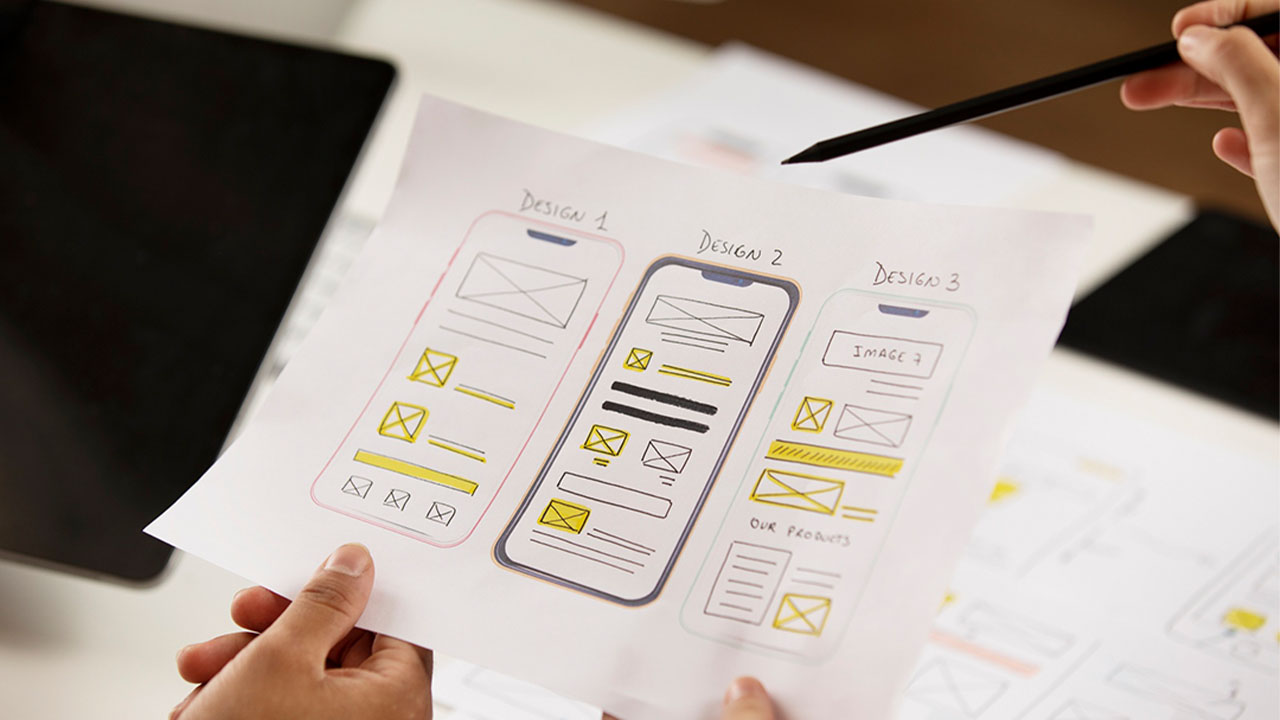
- Wireframing and prototyping: Creating early models to visualize the user journey before full-scale development.
- Usability testing: Iterating designs based on real user feedback to enhance the experience.
3. Modern Trends in User-Centric Design
1. Personalization
Apps now leverage AI and machine learning to deliver personalized experiences based on user preferences, search history, and interactions. Features such as recommended content, customized dashboards, and adaptive interfaces enhance engagement.
2. Minimalist and Intuitive UI/UX
Modern apps follow a minimalist approach, eliminating unnecessary elements to create clean, distraction-free interfaces. Gesture-based navigation and simplified layouts make apps more user-friendly and accessible.
3. Accessibility and Inclusivity
Ensuring apps are usable by individuals with disabilities has become a priority. Features like voice control, screen readers, and adjustable text sizes improve accessibility, making apps inclusive for all users.
4. Voice and Conversational Interfaces
5. Augmented Reality (AR) and Virtual Reality (VR)
6. Dark Mode and Adaptive Themes
- Explore Our Work: Our Work
- Reach Out Today: eCare Infoway
The Future of User-Centric Design in App Development
- AI-driven UX enhancements for predictive navigation and automation.
- Ethical design focusing on privacy, security, and transparent data usage.
- Cross-platform consistency ensuring seamless experiences across devices.
Developers and designers must stay ahead of these trends to create applications that not only meet but exceed user expectations.